Key Takeaways
- The India-UK Comprehensive Economic and Trade Agreement (CETA), signed on 24 July 2025, grants duty-free access to 99% of Indian export tariff lines in the UK market.
- Textiles, engineering goods, gems and jewellery, chemicals, and seafood are the top sectors to benefit.
- Indian SMEs can realistically see a 30-40% increase in chemical exports and up to USD 1.35 billion more in annual textile shipments.
- Rules of origin compliance and correct HS code classification are the two practical hurdles every SME exporter must address first.
- The agreement targets doubling India-UK bilateral trade to USD 120 billion by 2030.
Table of Contents
The signing of the India-UK Comprehensive Economic and Trade Agreement on 24 July 2025 changed the competitive landscape overnight. Understanding what it means for exporters in India-UK FTA Deal is no longer a matter of policy reading — it is a matter of survival and growth for SME export owners who want to move before their competitors do.
Understanding What It Means for Exporters in India-UK FTA Deal
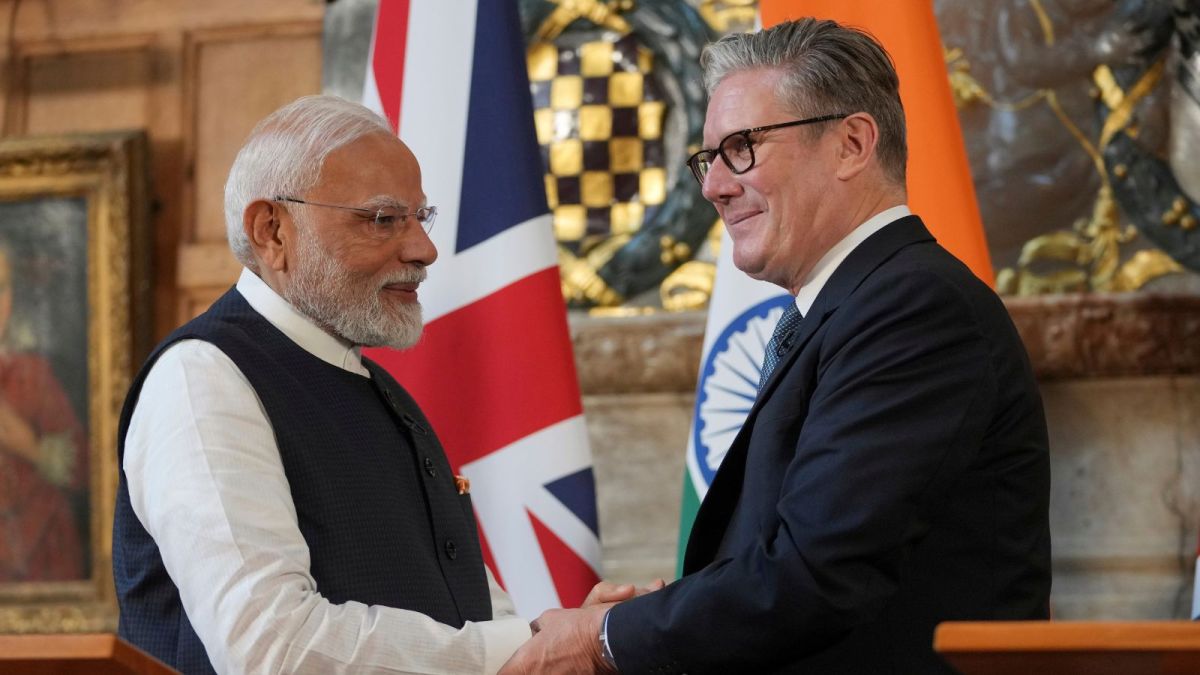
After fourteen rounds of negotiations spanning three years, India and the United Kingdom reached a landmark agreement that removes tariffs on an estimated 99% of Indian export tariff lines entering the UK. For a small business that has been paying 10-12% duties on textile shipments, a £1,000 consignment that once cost £120 in duty now costs nothing. That margin goes directly back into the business.
The deal also includes a Double Contributions Convention, which exempts Indian workers on short-term UK assignments from social security contributions for up to three years. While this primarily benefits larger service firms, it signals a broader shift toward a more integrated trade relationship that SMEs can leverage for partnerships, sourcing, and distribution networks.
According to the Indian Ministry of Commerce, the agreement targets USD 120 billion in bilateral trade by 2030 — more than double the current level. That growth needs to be filled by businesses, and SME exporters are well-positioned to capture a meaningful share.
Key Export Sectors That Benefit Most
Textiles and Apparel
Indian textiles and apparel previously faced UK duties of 10-12%. Under the CETA, these lines become duty-free immediately. Industry analysts project an increase of up to USD 1.35 billion in annual textile exports to the UK. MSME clusters in Tiruppur, Ludhiana, and Surat stand to gain the most, provided they can meet UK rules of origin requirements and labelling standards.
Engineering Goods and Auto Parts
In our experience, engineering goods exporters often underestimate the compound benefit of zero tariffs when layered over existing cost advantages. With UK duties on Indian engineering goods removed, clusters in Coimbatore, Pune, and Rajkot have a pricing edge over competitor nations that still face Most Favoured Nation rates. Auto component manufacturers supplying UK automotive brands can now price more competitively without sacrificing margin.
Gems, Jewellery, and Chemicals
The India-UK CETA is expected to trigger a 30-40% increase in India’s chemical exports to the UK, estimated at USD 650-750 million for 2025-26. Gems and jewellery exporters in Surat and Mumbai gain direct duty-free access to a high-value UK consumer market, alongside geographic indication (GI) recognition for certified products. These protections add credibility and premium positioning that SME brands can build marketing around.
How to Position Your SME for the India-UK FTA Deal
Knowing what it means for exporters in India-UK FTA Deal is only half the work. The other half is execution. Here are the three steps every SME export owner should take right now.
Step 1: Verify Your HS Code and Tariff Classification
Not every product gets the same tariff treatment. Start by confirming the correct Harmonised System (HS) code for your goods and cross-referencing it with the CETA tariff schedule. A common trap we see is exporters assuming all items in a product category receive the same rate. Minor classification errors can mean paying duties you are legally exempt from, so this step is worth the time investment before your first CETA shipment.
Step 2: Confirm Rules of Origin Compliance
Preferential tariff access under the CETA applies only to goods that meet India’s rules of origin criteria. For manufactured goods, this typically means a minimum percentage of value addition or a specific transformation process must take place in India. Exporters who source components from third countries need to audit their supply chains before claiming preferential rates. According to the UK Parliament House of Commons Library, utilisation rates for FTA benefits historically remain low because of rules of origin complexity. Getting this right early puts you ahead of most competitors.
Step 3: Update Your Export Documentation
To claim preferential tariff treatment, your commercial invoice and certificate of origin must include the required CETA declaration. Work with your freight forwarder and customs agent to update invoice templates and ensure your Export General Manifest (EGM) filings reflect the correct tariff basis. Following sound export operations and compliance practices from the start avoids costly amendments and delays at UK ports.
Common Pitfalls and Expert Tips

Pitfall 1: Assuming tariff elimination is automatic. Preferential rates must be claimed — they are not applied automatically by customs. Always submit a valid origin declaration with every shipment from day one.
Pitfall 2: Ignoring phased tariff schedules. While Indian exporters gain immediate duty-free access on most lines, some UK export categories to India are phased in over 3-10 years. If you also import UK inputs, understand the phase-in timeline before restructuring your supply chain around assumed cost savings.
Pitfall 3: Overlooking UK product standards. Zero tariffs do not override UK conformity assessment, labelling, and safety requirements. A shipment that is tariff-free but non-compliant can still be detained or returned at the border. Invest time in understanding UK market entry requirements for your specific product category.
Expert tip: In our experience, the SME exporters who extract the most value from new FTAs are those who act in the first 90 days — before competitors adjust pricing and buyers lock in new supply arrangements. Use this window to approach UK buyers with revised pricing that passes on part of the tariff saving while preserving your margin improvement. Explore more on entering new markets through our New Trade Corridors resource hub.
Looking for export-ready, high-quality Indonesian goods? TheExporter.co offers a curated range of authentic handmade furniture and premium products ready for international shipment to buyers worldwide.
Frequently Asked Questions
When does the India-UK CETA come into force?
The India-UK Comprehensive Economic and Trade Agreement was signed on 24 July 2025 and is expected to come into force in the second quarter of 2026 after both parliaments complete ratification. Exporters should prepare their documentation and HS classification filings now so they are ready on day one.
Which Indian exports benefit most from the deal?
Textiles and apparel, engineering goods, auto components, gems and jewellery, chemicals, seafood, and processed foods are the primary beneficiaries. Tariff elimination is immediate for most of these categories on the Indian export side.
Do SME exporters need a special certificate to claim preferential tariffs?
Yes. To claim preferential tariff treatment, your shipment must include a valid proof of origin — typically a self-declaration on the commercial invoice or a certificate of origin from an authorised issuing body. Consult your export promotion council or a licensed customs broker to ensure your documentation is compliant before the first shipment.
What are rules of origin and why do they matter?
Rules of origin define how much of a product must be made or transformed in India for it to qualify as Indian-origin under the CETA. If your product uses a high proportion of imported components, it may not meet the required threshold. This is one of the most critical compliance checks for any SME planning to export under the new agreement.
How will the India-UK FTA affect pricing strategy for SME exporters?
The elimination of UK import duties gives Indian SME exporters two strategic choices: pass a portion of the saving to UK buyers to win market share, or retain the full saving as improved margin. The right approach depends on your competitive position, product differentiation, and the pricing behaviour of your competitors. Both strategies are valid — but decide and communicate your position to buyers early to avoid confusion during the transition period.