China-Europe Rail Freight has grown from a niche experiment into a genuine third option for businesses sourcing goods from China. But is it actually worth it — or just a compromise between slow sea freight and expensive air? This guide breaks down the real numbers, the hidden trade-offs, and when rail actually makes sense for your supply chain.
Key Takeaways
China-Europe Rail Freight typically takes 12–18 days — roughly 4x faster than ocean shipping and 3x cheaper than air freight. Rail operates year-round on fixed schedules, making it predictable for planning. It works best for mid-weight, mid-value goods like electronics, auto parts, and textiles. However, customs complexity across multiple countries and limited end-destination coverage can add days and cost. For the right cargo profile, rail delivers a strong balance of speed and economy.
Understanding China-Europe Rail Freight
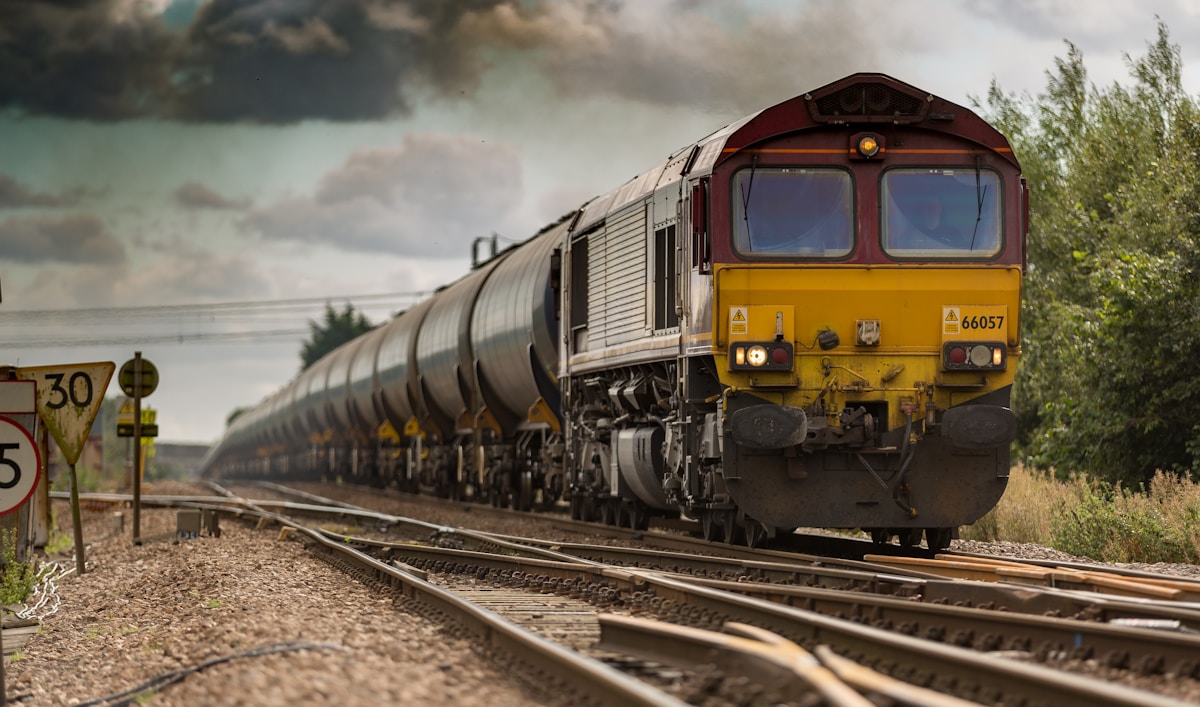
China-Europe Rail Freight runs on a network of routes under the Belt and Road Initiative, collectively branded as China Railway Express (CR Express). Trains depart from major Chinese hubs — Chongqing, Chengdu, Yiwu, Xi’an, and Zhengzhou — and arrive at European terminals in cities like Duisburg, Hamburg, Warsaw, and Madrid. The routes cross Russia, Kazakhstan, and Belarus (the northern corridor) or traverse Central Asia through Uzbekistan and Azerbaijan (the Trans-Caspian corridor).
In 2023, more than 17,000 train trips operated on these corridors, carrying over 1.9 million TEUs of cargo. That scale means real competition among operators, which has steadily improved reliability and pricing over the past few years.
China-Europe Rail Freight vs. Sea and Air: The Honest Comparison
Transit Time
Ocean freight from China to Northern Europe takes 28–35 days on average. Air freight takes 5–7 days. Rail sits at 12–18 days depending on the corridor and destination. For time-sensitive goods that still need to move in bulk, this is a genuine advantage.
Cost
Rail rates are typically 3–5x higher than sea freight but 2–3x lower than air. A 20-foot container moving by rail from China to Germany might cost USD $4,000–$8,000 depending on the season and corridor. That same container by sea might cost $1,500–$3,000, while air freight for comparable weight could exceed $15,000. Rail rates spiked during the 2021–2022 pandemic disruptions but have largely normalized since.
Reliability
Rail schedules are fixed and generally predictable. Unlike ocean shipping, which is vulnerable to port congestion and weather delays, rail faces fewer bottlenecks — though customs clearance at multiple border crossings, particularly China-Kazakhstan and Belarus-Poland, can introduce variability of 2–5 days.
When China-Europe Rail Freight Makes Sense
In our experience, rail works best when your cargo meets a few key conditions. The goods are mid-value — not so cheap that you absorb higher per-unit cost versus sea, but not so valuable or urgent that air is mandatory. Electronics, auto components, machinery parts, apparel, and consumer goods all fit this profile. The cargo is not oversized or hazardous in ways that complicate multi-country customs. And your buyer needs reliable 2–3 week lead times that sea cannot guarantee.
Rail is less ideal for highly perishable goods (reefer capacity is limited on most services), extremely bulky or heavy cargo where cost-per-ton rises quickly, or shipments destined for cities not served by current rail terminals.
Step-by-Step: How to Book China-Europe Rail Freight
Step 1: Identify your origin and destination city. Rail terminals are not everywhere. If your factory is in Guangdong, goods must be trucked to a hub like Yiwu or Zhengzhou first — factor that cost into your comparison.
Step 2: Choose your corridor. The northern route via Russia is historically fastest but carries geopolitical risk given the 2022 sanctions environment. The Trans-Caspian route via Kazakhstan, the Caspian Sea, Azerbaijan, and Georgia has grown substantially as an alternative and is now the preferred option for many European buyers.
Step 3: Work with a freight forwarder experienced in rail. Not all forwarders handle rail. Choose one who knows the specific documentation requirements for each border crossing. Read our full guide on how to use a freight forwarder effectively before engaging one.
Step 4: Prepare your documentation. You will need a commercial invoice, packing list, rail waybill (CIM/SMGS), and customs export declaration in China. Your forwarder handles most of this, but verify cargo valuation accuracy — under-declaring at Chinese customs is a growing audit trigger.
Step 5: Track and build buffer time. Add 3–5 extra days to your delivery estimate to account for customs variability, particularly at the Belarus-Poland border crossing.
Common Pitfalls and Expert Tips
A common trap we see is sourcing teams comparing rail to sea on transit time alone, then discovering the inland trucking costs to the rail origin hub wipe out much of the savings. Always model the full door-to-door cost, not just the rail leg.
Another issue is cargo insurance gaps. Rail insurance is not always included in operator quotes, and coverage standards vary by corridor. Confirm your policy explicitly covers multi-jurisdiction rail transit before booking.
If you are sourcing from or routing through Central Asia, rail connections have improved substantially under SCO trade frameworks. Our guide on SCO opportunities in Central Asia trade routes covers how these corridors are developing and what exporters and sourcers should watch.
For authoritative route and regulatory data, the United Nations Economic Commission for Europe (UNECE) publishes updated rail transport guidelines, and the Organisation for Cooperation Between Railways (OSJD) coordinates tariffs and technical standards across Eurasian rail corridors.
Diversify Your Sourcing Beyond China
While optimizing your China-to-Europe freight route, many importers are also diversifying their sourcing to reduce single-country exposure. TheExporter.co offers high-quality, export-ready Indonesian goods — including handmade and authentic furniture crafted for international buyers. Explore what’s available below.
Frequently Asked Questions About China-Europe Rail Freight
How long does China-Europe Rail Freight actually take?
Typical transit is 12–18 days from a Chinese origin hub to a European terminal. Add 2–5 days for border customs clearance and inland delivery at destination for a realistic door-to-door estimate.
Is China-Europe Rail Freight cheaper than air freight?
Yes, significantly. Rail typically costs 2–3x less than air for equivalent cargo weight, while being 2–4x faster than sea. It occupies a distinct middle tier in the logistics cost curve that suits a wide range of cargo types.
Does the Russia-Ukraine conflict affect China-Europe rail routes?
The northern corridor via Russia carries geopolitical and sanctions-related risk for EU-bound cargo. Many shippers have shifted to the Trans-Caspian corridor as an alternative. Check current guidance with your freight forwarder before booking any Russia-routed shipment.
Do I need a freight forwarder to book China-Europe rail?
Practically speaking, yes. Multi-country customs documentation across China, Central Asia, and the EU requires specialized knowledge. A qualified freight forwarder streamlines this significantly and reduces the risk of border delays caused by documentation errors.
Can I ship perishable food by China-Europe rail?
Limited reefer-equipped rail services exist, but capacity is not widely available across all corridors. For perishable food exports, refrigerated sea containers or dedicated air freight remain the more reliable options.