Key Takeaways
Digital free trade zones explained simply: a DFTZ is a government-designated area where e-commerce goods can be stored, processed, and shipped internationally with reduced duties, simplified customs, and faster clearance. For e-commerce sellers and SME owners, DFTZs cut the cost and friction of cross-border selling. Key benefits include duty deferral on imported goods, expedited customs clearance for online orders, and access to bonded warehousing near major airports or ports. Malaysia, China, the UAE, and several Southeast Asian markets have active DFTZs open to foreign sellers. Understanding how they work is one of the fastest ways to improve your cross-border margins.
Table of Contents
Digital Free Trade Zones Explained: What Are They?
A Digital Free Trade Zone (DFTZ) is a physical and digital infrastructure framework that streamlines cross-border e-commerce by combining bonded warehousing, simplified customs procedures, and integrated logistics services in a single designated zone.
The concept was pioneered at scale by Malaysia, which launched the world’s first dedicated DFTZ in 2017 in partnership with Alibaba’s eWTP initiative at the Kuala Lumpur International Airport Aeropolis. The zone allows foreign e-commerce sellers to store inventory in Malaysia, clear customs once at the zone level, and fulfil orders across Southeast Asia with dramatically reduced per-shipment paperwork and duties.
Since then, digital free trade zones have expanded across the region and beyond. China’s cross-border e-commerce pilot zones, Dubai’s Airport Free Zone, and Indonesia’s Special Economic Zones all carry elements of the DFTZ model, each adapted to local regulatory frameworks. The WTO’s work programme on e-commerce reflects the growing global recognition of DFTZs as a trade facilitation tool, with digital free trade zones explained as a key mechanism in ongoing plurilateral negotiations.
For e-commerce sellers and SMEs, digital free trade zones explained in practical terms means: lower cost per order, faster delivery, and access to markets that previously required complex import arrangements with local distributors.
How Digital Free Trade Zones Work for E-Commerce Sellers
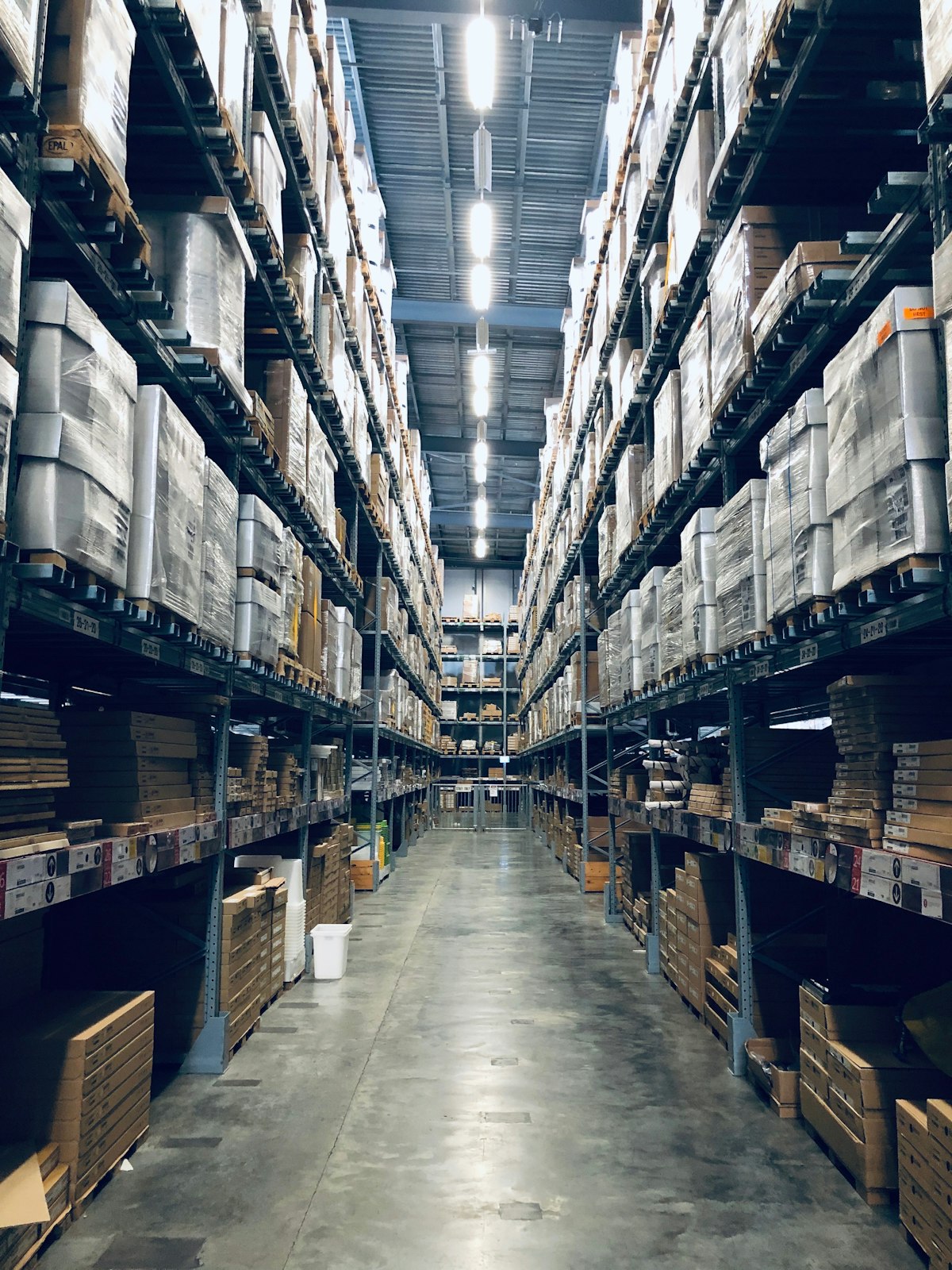
Bonded Warehousing and Duty Deferral
When you store goods in a DFTZ bonded warehouse, you do not pay import duties at the point of entry into the zone. Duties are only assessed when the goods leave the zone for delivery to an end customer in that country. For goods re-exported to a third market, no duty is assessed at all.
This is commercially significant. Instead of paying upfront duties on a full container and then waiting for customer orders to recover that cost, you pay duty only on what actually sells in that market. Unsold inventory re-exported carries zero duty exposure. For seasonal or trend-sensitive product categories, this shifts the risk profile considerably.
Simplified Customs Clearance
DFTZs typically operate under a de minimis threshold and a simplified declaration regime for e-commerce parcels. Rather than filing a full import declaration for every individual order, sellers submit batch declarations or use integrated platform APIs that automate the declaration process per shipment. Clearance times in mature DFTZs such as the Malaysia DFTZ run at under six hours for standard e-commerce parcels.
In our experience, the sellers who extract the most value from DFTZ clearance speed are those who have already digitised their SKU catalogue and product classification data. If your product data is clean, the API integration with the zone’s customs system takes days, not weeks.
Integrated Logistics and Last-Mile Services
DFTZs are co-located with logistics providers, courier networks, and platform partners. This means fulfilment, labelling, returns management, and local delivery can all be handled within or adjacent to the zone. For a small e-commerce seller, this eliminates the need to set up local entities, manage local staff, or negotiate separately with last-mile carriers in each market.
Platforms such as Lazada, Shopee, and Alibaba’s cross-border marketplace integrate directly with the Malaysia DFTZ, allowing sellers to list, sell, and fulfil without physically entering the market through a traditional import model.
Common Pitfalls and Expert Tips
A common trap we see with SME sellers entering DFTZs is assuming the zone handles compliance on their behalf. It does not. The zone simplifies the customs interface, but the seller remains responsible for accurate product classification, correct country-of-origin declarations, and compliance with the destination market’s product safety and labelling regulations.
Underestimating the product compliance layer. A DFTZ does not exempt you from the destination market’s product standards. Electronics entering Malaysia via the DFTZ still require SIRIM certification. Cosmetics entering China via cross-border e-commerce zones require NMPA registration for certain product types. Research your product category requirements before selecting your zone.
Choosing the wrong zone for your target market. Not all DFTZs connect to the same markets with the same efficiency. The Malaysia DFTZ is optimised for Southeast Asian distribution. China’s cross-border e-commerce zones are designed primarily for inbound consumption. Match the zone to your primary customer geography, not just the lowest cost option.
Neglecting returns logistics. Cross-border returns are the operational weakness of most DFTZ models. Define your returns policy and returns routing before your first shipment. Some zones offer reverse logistics services; others do not. A poor returns experience is one of the fastest ways to damage your seller rating on marketplace platforms.
For a deeper understanding of the digital platforms that connect to DFTZ infrastructure, our article on Top Digital Trade Platforms for Exporters covers the tools that experienced exporters use to manage multi-market digital trade operations.
If you are building a cross-border shipping strategy around DFTZ access, our eCommerce Cross-Border Shipping Guide for 2026 provides the end-to-end framework for structuring your logistics from origin to last mile.
At TheExporter.co, we supply authentic handmade Indonesian furniture that travels well across borders. Our export-ready pieces, from solid teak tables to hand-woven rattan chairs, are well-suited to DFTZ fulfilment models targeting buyers in Europe, Australia, and the Middle East.
FAQ: Digital Free Trade Zones Explained
What is the difference between a free trade zone and a digital free trade zone?
A traditional free trade zone focuses on manufacturing and bulk trade, offering duty exemptions and simplified regulations for physical goods production. A digital free trade zone is specifically optimised for e-commerce, adding integrated digital customs filing, platform API connectivity, and fulfilment services designed for high-volume, small-parcel cross-border trade.
Can small e-commerce sellers access digital free trade zones?
Yes. Most DFTZs are designed to be accessible to small and medium sellers, often through marketplace platforms that provide the technical integration. You do not need a local entity in the DFTZ country to use bonded warehousing and simplified clearance through a participating platform or third-party logistics provider.
Which countries have the most developed digital free trade zones?
Malaysia, China, the UAE, and Singapore are the most advanced DFTZ markets. Malaysia’s DFTZ at Kuala Lumpur Airport is the most referenced model for cross-border e-commerce. China operates over 100 cross-border e-commerce pilot zones. The UAE’s free zone ecosystem, including JAFZA and Dubai Airport Free Zone, is the leading model for Middle East distribution.
Are duties waived entirely in a digital free trade zone?
No. Duties are deferred, not waived. Goods stored in a bonded DFTZ warehouse have not yet entered the country for customs purposes. When a product is sold and delivered to a local customer, import duties are assessed at that point. However, many DFTZs apply a de minimis threshold, meaning low-value individual orders clear with zero or minimal duty.
How do I start selling through a digital free trade zone?
The fastest entry point is through a marketplace platform that has an existing DFTZ integration, such as Lazada, Shopee, or Tmall Global. These platforms handle the logistics provider relationship, the zone compliance interface, and the customs API connectivity on your behalf. You register as a cross-border seller, ship your inventory to the zone’s bonded warehouse, and the platform manages the rest at the clearance level.
