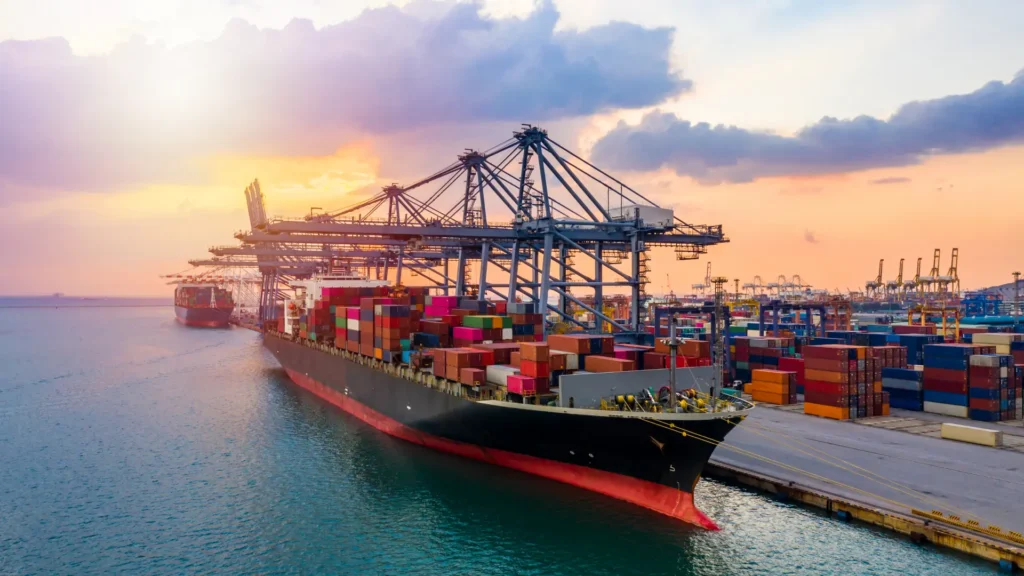
Exporting to Japan requires navigating strict import regulations, product safety standards, and detailed documentation. Japan is one of the world’s largest import markets, with consistent demand for quality consumer goods, food products, and manufactured items. To get started, you need correct HS codes, a commercial invoice, packing list, certificate of origin, and compliance with Japan’s labelling laws. Japan Customs enforces tight controls, so working with a licensed local customs broker is strongly recommended. SME owners entering this market should budget for compliance costs and allow extra lead time for their first shipment.
If you are researching how to export to Japan, you are looking at one of Asia’s most rewarding trade destinations. Japan imported over USD 897 billion in goods in 2023, and demand for high-quality products remains strong. The market is structured, predictable, and highly receptive to well-documented, compliant exporters. This guide walks you through everything a first-time exporter needs to know before booking your first shipment.

Understanding How to Export to Japan
Japan operates one of the most organised customs systems in the world. Managed by Japan Customs, the system requires exporters to classify goods accurately using the Harmonized System (HS) code and comply with product-specific regulations enforced by agencies such as the Ministry of Health, Labour and Welfare (MHLW) and the Ministry of Agriculture, Forestry and Fisheries (MAFF).
Before you ship a single unit, you need to know which Japanese ministry regulates your product category. Food and beverages, pharmaceuticals, electronics, and textiles each carry their own compliance requirements. Skipping this step is one of the most common reasons first-time exporters face delays or rejected shipments at Japanese ports.
Step-by-Step: How to Export to Japan
1. Classify Your Product and Check Import Duties
Start by finding the correct HS code for your product. Japan’s tariff schedule is accessible through JETRO (Japan External Trade Organization), which provides free tools and market entry support for exporters. Knowing your HS code helps you calculate applicable import duties and check whether your country has a preferential trade agreement with Japan that reduces tariff rates.
2. Understand Product-Specific Regulations
Japan applies strict standards to many product categories. Food products must comply with the Food Sanitation Act, which requires prior notification before import. Electronics must meet technical standards set by the Radio Act or the Electrical Appliance and Material Safety Act. Textiles must carry correct fibre content labels in Japanese. In our experience, getting product compliance sorted before booking freight saves significant time and cost down the line.
3. Prepare Your Export Documentation
A standard Japan-bound shipment requires the following documents: a commercial invoice (with unit prices, quantities, and country of origin), a packing list, a bill of lading or airway bill, a certificate of origin (especially when claiming preferential tariffs), and any product-specific permits or inspection certificates required by the relevant Japanese ministry.
Understanding how to document rules of origin correctly is particularly important when exporting to Japan under a free trade agreement. Errors in origin documentation are a common trap that can result in denied tariff preferences or costly customs delays.
4. Work with a Licensed Japanese Customs Broker
Japan’s import clearance process requires a licensed customs broker on the Japanese side to clear your goods through customs. Your buyer or importer in Japan will typically arrange this, but confirm the arrangement before shipping. Make sure your documentation is complete and accurate, because Japan Customs conducts thorough checks and errors can result in port storage charges accumulating quickly.
5. Choose the Right Payment Method
For new trade relationships, a Letter of Credit or cash in advance provides the strongest payment security. Japan has a strong business culture of long-term relationships, so once trust is established, open account terms become more common. For your first few shipments, prioritise payment security over flexibility.
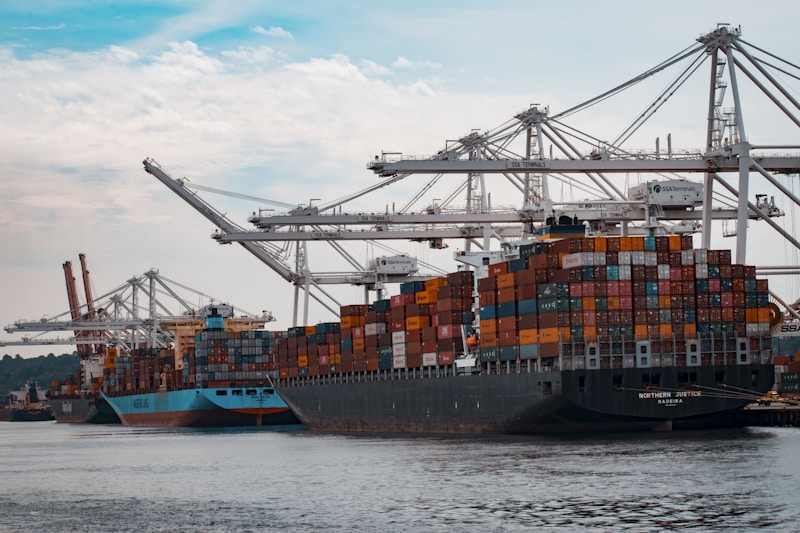
Japan’s Labelling Requirements
Japan has detailed labelling rules that vary by product category. Food products must display ingredients, allergens, expiry dates, and importer details in Japanese. Consumer goods must include care or usage instructions in Japanese where applicable. A common trap we see is exporters printing English-only labels and expecting their Japanese importer to resolve the issue, only to face clearance delays. Review product labelling rules by export market to ensure your goods are compliant before they leave your warehouse.
Quality Goods Ready for the Japanese Market
Japan’s buyers are quality-conscious and value craftsmanship, natural materials, and authenticity. If you are sourcing distinctive, high-quality products to supply into this market, TheExporter.co offers handmade and authentic Indonesian furniture and artisan goods that are ready to be exported. Our products are built to international standards and are well-suited to discerning Japanese buyers looking for something beyond mass-produced alternatives.
Common Pitfalls and Expert Tips
Pitfall 1: Underestimating food notification requirements. Japan’s food import system requires pre-notification through the MHLW before your goods arrive at the port. Missing this step can result in your shipment being held for physical inspection at your cost.
Pitfall 2: Ignoring packaging and labelling rules. Japanese regulations on labelling are product-specific and detailed. Build labelling compliance into your production process well before your shipment date, not as a last-minute fix.
Expert Tip: Use JETRO’s free country-specific import guides and connect with their global offices for market entry support before committing to your first shipment. In our experience, exporters who research the regulatory landscape thoroughly move through the first shipment significantly faster and with fewer costly surprises.
Frequently Asked Questions
Do I need a Japanese importer to export to Japan?
In most cases, yes. Japan’s import clearance process requires a resident importer on the Japanese side. Many exporters work through a local trading company or distributor to handle import formalities on their behalf.
What are Japan’s main import duties?
Japan’s standard import tariffs vary by product. Many manufactured goods carry low or zero tariffs, while agricultural products can attract higher rates. Check the applicable rate for your specific HS code via JETRO or the Japan Customs website.
Does Japan have free trade agreements?
Yes. Japan has extensive Economic Partnership Agreements (EPAs) with many countries including the EU, UK, Australia, and CPTPP members. If your country has an EPA with Japan, you may qualify for reduced or zero tariffs, provided your goods meet the applicable rules of origin requirements.
How long does customs clearance take in Japan?
For well-documented shipments, customs clearance in Japan typically takes one to three business days. Shipments subject to inspection or with documentation errors can take significantly longer and may incur port storage charges.
What Incoterm should I use when exporting to Japan?
For first-time exports to Japan, FOB (Free on Board) or CIF (Cost, Insurance, and Freight) are the most commonly used Incoterms. FOB places freight responsibility with the buyer once goods are loaded, while CIF means you cover freight and insurance to the destination port. Confirm the preferred Incoterm with your Japanese buyer before booking the shipment.