Picking a target country and hoping for the best is one of the most expensive mistakes a new exporter can make. In our experience working with hundreds of first-time traders, the businesses that grow fast are the ones that research before they ship. Knowing how to research target markets for international trade is the foundation of every successful export strategy — and the good news is that most of the tools you need are free.
Key Takeaways
To research your target market effectively, use a combination of trade data platforms, competitor analysis, regulatory checks, and on-the-ground intelligence. Start with ITC Trade Map and UN Comtrade to identify demand. Then validate with Google Trends, government market reports, and trade fair intelligence. Always verify import regulations and tariff rates before committing to a market. Exporters who follow this process consistently find better buyers, negotiate stronger prices, and avoid costly compliance surprises. TheExporter.co simplifies each of these steps with curated tools and guidance built specifically for new exporters.
Understanding Target Market Research in Export
Target market research means gathering and analyzing data to decide which countries and buyers are the best fit for your product. It is not about gut feeling — it is about evidence. A market that looks attractive on the surface (large population, strong economy) may have high import tariffs, dominant local competitors, or complex regulatory barriers that make it unprofitable.
A common trap we see is exporters who skip this step and rely on a single inquiry from a foreign buyer to validate an entire market. One inquiry is not market research. You need data, trends, and regulatory context before you invest in production, certifications, and logistics.
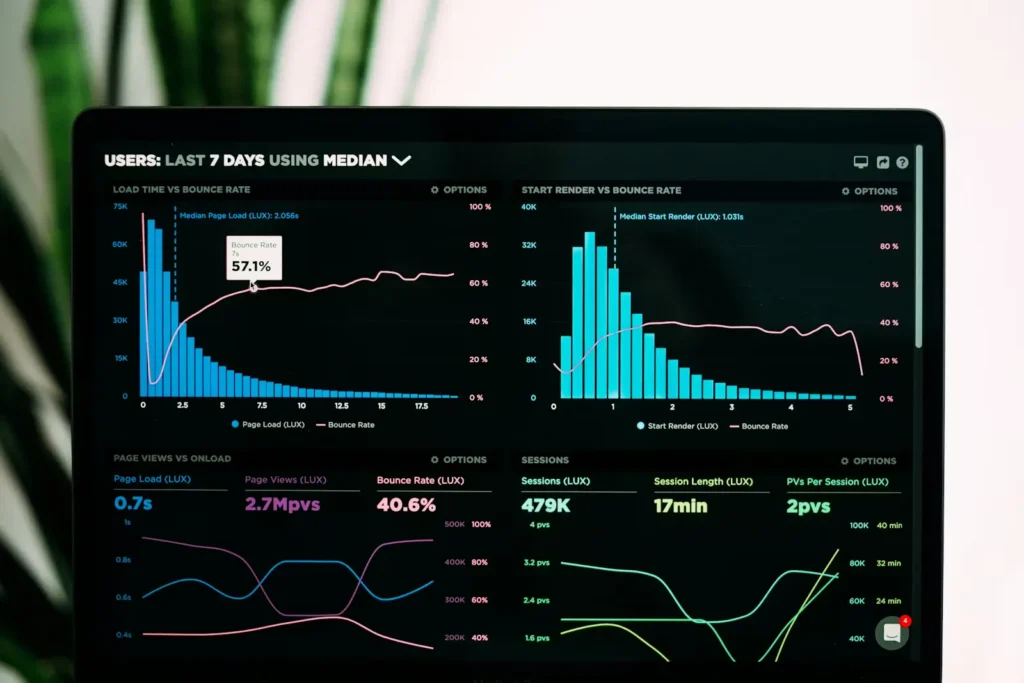
7 Best Ways How to Research Your Target Market
1. Use ITC Trade Map to Analyze Import Demand
The International Trade Centre (ITC) Trade Map is the single most powerful free tool for export market research. It shows you exactly how much of your product each country imports each year, which countries are the top suppliers, and how trade flows have changed over time.
Search by your product’s HS code and filter by destination country. Look for markets where import volume is growing, but where your home country is not yet a significant supplier. That gap is your opportunity.
2. Check Google Trends for Consumer Demand Signals
Google Trends tells you what people in a specific country are searching for — and how that interest is changing over time. For consumer products, this is a fast and free way to validate whether real end-user demand exists in a target market.
Filter by country and compare search interest for your product category over a 12-month window. A rising trend line is a positive signal. A flat or declining line is a red flag worth investigating before you commit resources.
3. Review Government and Chamber of Commerce Market Reports
Most government trade promotion agencies publish free market intelligence reports on key export destinations. In our experience, these reports are underused by beginners — and that is a missed opportunity. They typically cover market size, consumer behavior, key competitors, distribution channels, and regulatory landscape in plain language.
Check your country’s Ministry of Trade or Export Promotion Council website. International chambers of commerce and bilateral trade associations also publish country-specific intelligence that is hard to find elsewhere.
4. Analyze Tariff Rates and Non-Tariff Barriers
A market with strong demand can still be unprofitable if the import duty rate is too high. Before you commit to any market, look up the applied tariff rate for your product’s HS code in the destination country. The World Trade Organization (WTO) Tariff Download Facility and ITC Market Access Map are two reliable sources.
Also watch for non-tariff barriers: labeling requirements, import licenses, phytosanitary certificates, and product safety standards. These are often more impactful than tariffs for new exporters and can add weeks of delay if you are not prepared.
5. Study Your Competitors in the Target Market
Knowing who you are competing against is just as important as knowing market size. Use ITC Trade Map to identify which countries currently dominate supply to your target market. Then study those exporters: What price points are they offering? How are they packaging and marketing the product? Are there quality or consistency gaps you can fill?
Field note: A common mistake is assuming you cannot enter a market with established competitors. In reality, buyers often want a second or third supplier to reduce supply chain risk. Your job is to position yourself as a reliable alternative — not necessarily the cheapest option.
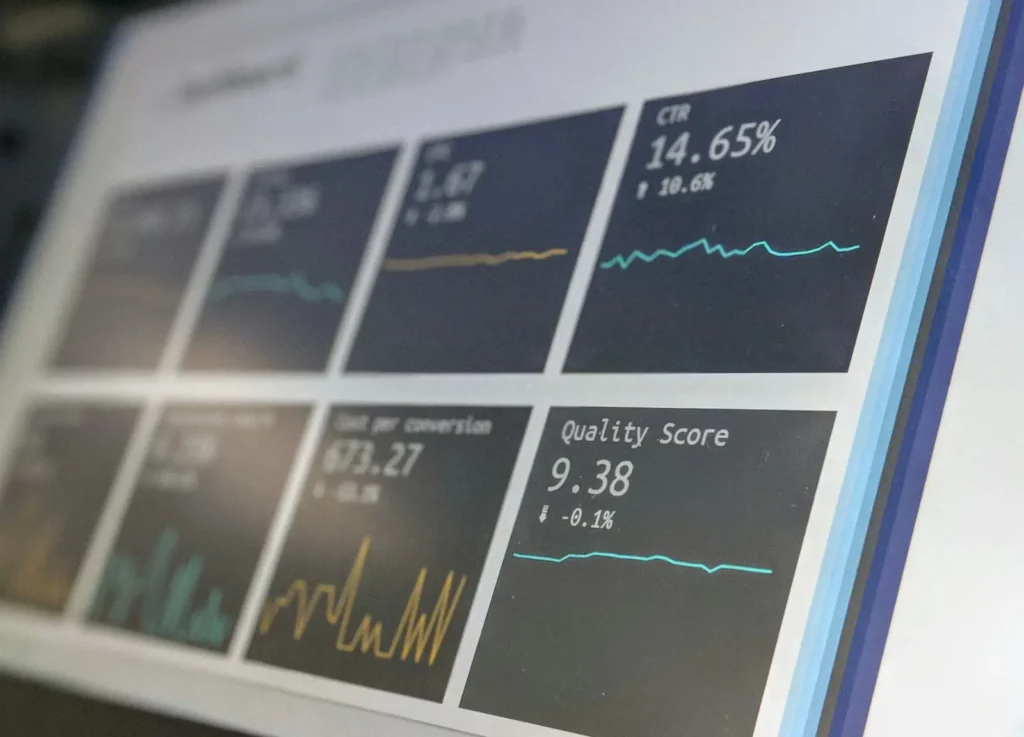
6. Attend Trade Fairs and Industry Events
No database replaces the intelligence you gather face-to-face. Trade fairs give you direct access to buyers, distributors, and competitors in your target market — all in one place. You can see competing products firsthand, understand buyer preferences, and start conversations that become real business relationships.
If you cannot travel yet, virtual trade events and B2B matchmaking sessions organized by trade promotion agencies are an effective substitute. Many national export councils run these programs for free or at low cost.
7. Validate with a Sample Order or Pilot Shipment
The final and most definitive form of market research is a small pilot shipment. Once your desk research points to a promising market, test it with a sample order or small commercial shipment before you scale. This reveals real-world logistics costs, customs processes, buyer behavior, and product acceptance that no report can fully predict.
In our experience, exporters who pilot test a market spend less money overall — because they catch problems early, when they are still small and fixable. This step connects directly to the broader strategy covered in our guide on how to choose the right product for your export and import business.
Common Pitfalls & Expert Tips
Pitfall 1: Relying on a Single Data Source
No single tool gives you the full picture. Always triangulate — cross-reference trade data with consumer trend signals and regulatory checks before drawing conclusions.
Pitfall 2: Ignoring Currency and Payment Risk
A market may look profitable in USD but carry real currency volatility risk. Factor in exchange rate fluctuations and preferred local payment methods as part of your market assessment.
Pitfall 3: Skipping the Regulatory Check
We have seen exporters spend months preparing a shipment, only to discover their product requires a certification they do not have. Check import regulations early — before you invest in production or packaging changes.
Expert Tip: Combine your research with the practical steps in our guide on how to run an export business for beginners to build a research-to-action workflow you can repeat for every new market you target.
TheExporter.co simplifies this entire research process by giving you access to curated market intelligence resources, compliance checklists, and step-by-step export guides — all built specifically for new and growing exporters. Instead of piecing together information from dozens of sources, you get a clear, structured path from market idea to first shipment.
Frequently Asked Questions
1. What is the best free tool to research export markets?
ITC Trade Map is widely considered the most comprehensive free tool for export market research. It provides import/export data by product and country, making it ideal for identifying demand gaps and top-supplying competitors.
2. How long does target market research take?
A basic market assessment using trade data and regulatory checks can be completed in one to two weeks. A thorough analysis — including trade fair attendance and pilot testing — may take two to three months. Do not rush this step. The time you invest upfront saves significantly more time and money later.
3. Can I research a target market without traveling there?
Yes. Most of the research can be done remotely using online trade databases, government reports, virtual trade events, and direct outreach to potential buyers via LinkedIn or B2B platforms. Travel adds depth but is not a prerequisite for a solid initial assessment.
4. How do I know if a market is too competitive to enter?
High competition is not automatically a barrier. Look at price distribution and product quality in the market. If existing suppliers have gaps — in consistency, certification, or service — you may have a real opening. Competition confirms that buyer demand exists; your job is to find your differentiated position.
5. What is an HS code and why does it matter for market research?
An HS (Harmonized System) code is a standardized numerical code used by customs authorities worldwide to classify products. It is the key you use to look up trade data, tariff rates, and import regulations for your specific product in any target market.
6. Should I research multiple markets at the same time?
It is fine to build a shortlist of two to three markets in your initial screening phase. However, do a deep dive on one priority market before committing resources. Spreading your attention too thin at this stage leads to shallow research and poor decision-making.
7. How does TheExporter.co help with market research?
TheExporter.co provides structured export guides, compliance checklists, and curated resources that walk you through market research step by step — without needing to hire a trade consultant. Whether you are evaluating your first market or expanding to a new region, the platform gives you a clear, actionable framework to follow.
Final Word: Research Is Not a Delay — It Is Your Competitive Advantage
Every hour you invest in understanding how to research your target market pays dividends when you negotiate with buyers, price your product correctly, and clear customs without surprises. The exporters who grow the fastest are not the boldest — they are the best prepared.
Start with the tools in this guide, follow the seven steps in order, and use TheExporter.co as your home base for structured, beginner-friendly export guidance.