Key Takeaways
Understanding shipping and logistics is essential for every exporter. The key elements to master are: choosing between sea and air freight, selecting the right Incoterm for each deal, working with a licensed freight forwarder, preparing accurate customs documentation, and building transit time into your delivery commitments. In our experience, most first-time exporters lose money not on their product, but on logistics mistakes that were entirely avoidable. This guide gives you the framework to ship confidently, reduce delays, and protect your margins from your very first export deal.
Understanding Shipping and Logistics in International Trade
Shipping and logistics is the physical backbone of international trade. It is the system that moves your product from your supplier’s warehouse to your buyer’s receiving dock — across borders, through customs, and over thousands of kilometers of ocean or airspace. Get it right, and your export business runs smoothly. Get it wrong, and even a perfectly negotiated deal can collapse under delays, spoiled goods, or unexpected cost overruns.
A common trap we see with new exporters is treating logistics as an afterthought — something to figure out after the sale is closed. In reality, your shipping costs, transit times, and documentation requirements should be factored into your pricing and delivery commitments before you send a proforma invoice. If you have not yet worked through your product selection and buyer outreach strategy, our guides on how to run an export business for beginners and how to find international buyers are the right starting points before you tackle logistics.
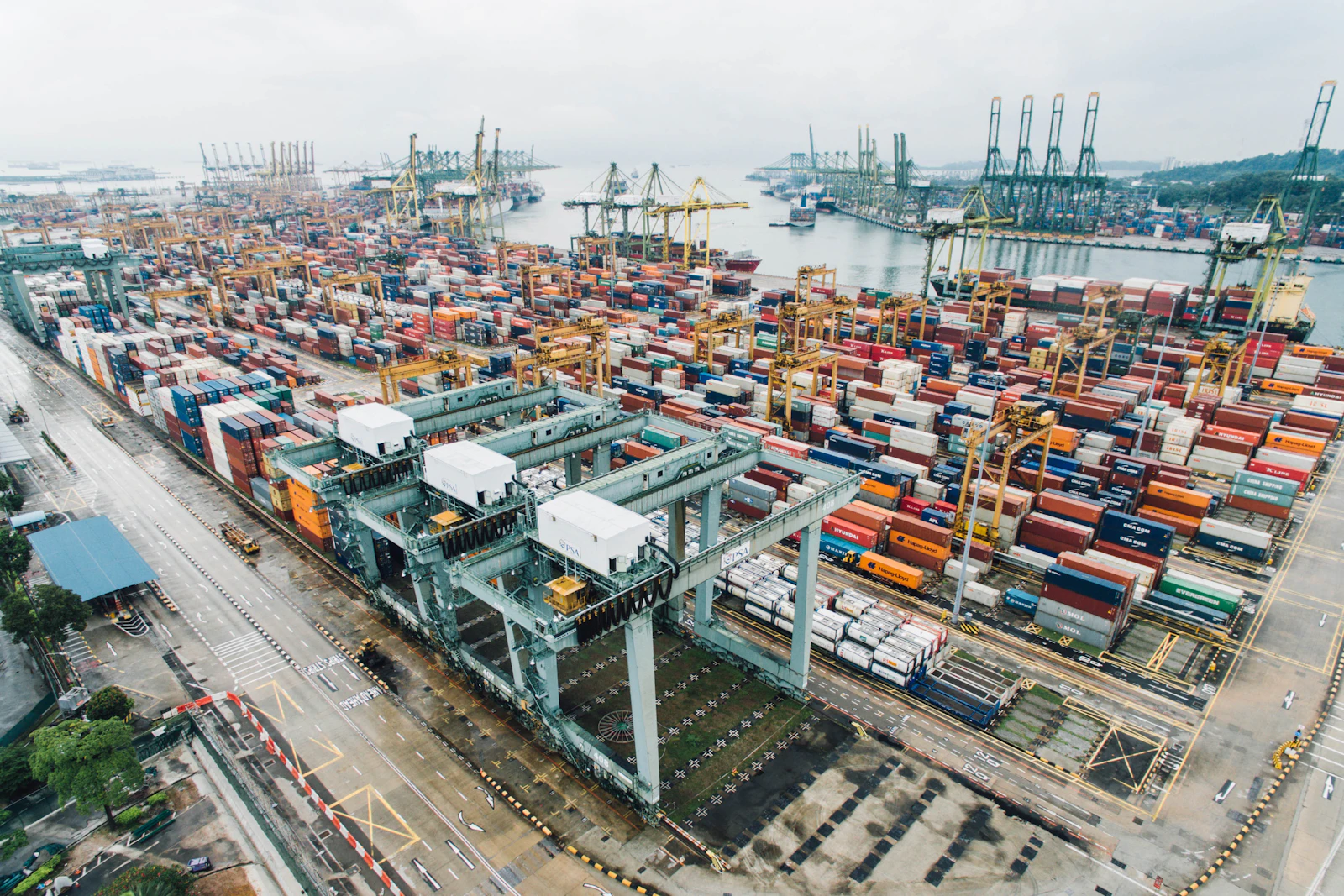
Step-by-Step: How to Manage International Shipping and Logistics
Step 1 — Choose Your Freight Mode: Sea vs. Air
The first logistics decision every exporter must make is how to move the goods. The two primary options are sea freight and air freight, and each serves a different purpose.
Sea freight is the default choice for most exporters. It is significantly cheaper than air for large or heavy shipments, and the global container shipping network covers virtually every major trade port in the world. Sea freight comes in two formats: FCL (Full Container Load), where you fill an entire 20- or 40-foot container, and LCL (Less than Container Load), where your cargo shares space with other shippers. LCL is ideal for new exporters who do not yet have the volume to fill a full container.
Air freight is faster — typically 3 to 7 days versus 2 to 6 weeks for sea — but costs 4 to 6 times more per kilogram. It is best suited for high-value, time-sensitive, or perishable goods where speed justifies the premium. In our experience, most beginners overestimate how often they need air freight. Unless your buyer has a hard deadline or your product has a short shelf life, sea freight is almost always the smarter economic choice.
Step 2 — Understand and Select the Right Incoterm
Incoterms (International Commercial Terms) are the globally recognized rules that define who — the seller or the buyer — is responsible for freight costs, insurance, and risk at each stage of the shipment. Published by the International Chamber of Commerce (ICC), the current set of 11 Incoterms 2020 rules governs the vast majority of global trade contracts.
The three terms new exporters encounter most often are:
- EXW (Ex Works): You make the goods available at your premises. The buyer handles everything from that point — pickup, export clearance, freight, and import customs. Maximum responsibility on the buyer, minimum on you.
- FOB (Free on Board): You deliver the goods to the origin port and load them onto the vessel. Risk transfers to the buyer once goods are on board. This is the most widely used Incoterm for ocean freight and the recommended starting point for most exporters.
- CIF (Cost, Insurance, and Freight): You cover the cost of freight and insurance to the destination port. The buyer takes over from there. This gives buyers a simpler landed cost calculation but puts more logistics management on the seller.
Field note: A common mistake we see is exporters agreeing to DDP (Delivered Duty Paid) on their first deals without fully understanding what it means. DDP puts all costs — including import duties and last-mile delivery in the buyer’s country — on the seller. For a beginner unfamiliar with the destination country’s customs regime, this can result in surprise costs that wipe out your entire profit margin on the shipment.
Step 3 — Work with a Licensed Freight Forwarder
A freight forwarder is a licensed logistics specialist who manages the entire shipping process on your behalf — booking cargo space, preparing shipping documents, arranging customs clearance, and coordinating delivery at destination. For new exporters, hiring a reputable freight forwarder is not optional. It is one of the most important decisions you will make.
Your freight forwarder will handle: the Bill of Lading or Airway Bill, export customs declarations, cargo insurance arrangements, coordination with port authorities, and communication with the buyer’s customs broker at destination. In our experience, the cost of a good freight forwarder is almost always recovered in avoided delays, penalty charges, and documentation errors — especially on your first five or six shipments.
When selecting a freight forwarder, look for membership in recognized bodies such as the FIATA (International Federation of Freight Forwarders Associations) or national equivalents. Ask for references from clients shipping similar product types and volumes to your target markets. A forwarder who specializes in your product category will know the specific documentation requirements, seasonal port congestion patterns, and customs nuances that a generalist may miss.
Step 4 — Prepare Your Export Documentation
Incomplete or incorrect documentation is the single most common cause of shipment delays and customs holds. Every international shipment requires a core set of documents, and depending on your product and destination, additional certificates may be mandatory.
The standard export document set includes: a Commercial Invoice (describing the goods, their value, and the parties to the transaction), a Packing List (detailing how the goods are packed, labeled, and weighed), a Bill of Lading or Airway Bill (the contract between you and the carrier), and a Certificate of Origin (confirming where the goods were produced, often required for preferential tariff treatment).
Depending on your product, you may also need: a Phytosanitary Certificate (for agricultural goods), a Health Certificate (for food products), an Inspection Certificate, or specific product safety test reports. Your freight forwarder will advise on the full document set required for each shipment, but understanding these requirements before you book your cargo saves significant time.

Step 5 — Understand Customs Clearance at Origin and Destination
Every international shipment passes through customs twice: at export (your country) and at import (the buyer’s country). Export customs clearance involves filing the correct export declarations and, where required, presenting your export license or permit. Import customs clearance is the buyer’s responsibility under most Incoterms, but as the exporter you need to ensure your documentation is accurate — because errors in your paperwork cause problems at the buyer’s customs gate, not yours.
Understanding your product’s HS (Harmonized System) code is fundamental to customs compliance. The HS code determines the applicable import duty rate, whether any import permits are required in the destination country, and whether your goods qualify for preferential tariff treatment under a free trade agreement. Always confirm the correct HS code with a licensed customs broker before your first shipment to that market.
Step 6 — Arrange Cargo Insurance
International shipments face real risks: rough seas, rough handling, theft, and damage in transit. Cargo insurance protects the value of your goods if something goes wrong between origin and destination. Under CIF and CIP Incoterms, the seller is contractually required to provide insurance. Under FOB and EXW, insurance is typically the buyer’s responsibility — but that does not mean you should ship without it if you retain an interest in the goods during transit.
Marine cargo insurance is widely available through freight forwarders, insurance brokers, and specialist trade finance banks. The premium is typically 0.1–0.5% of the cargo value — a small price compared to the risk of an uninsured loss. In our experience, new exporters routinely skip this step on small first shipments and regret it deeply when something goes wrong.
Common Pitfalls & Expert Tips
Pitfall 1: Underestimating Transit Time
A common trap we see is exporters who quote delivery timelines based on sailing time alone, forgetting to account for port cut-off dates, customs clearance at both ends, and last-mile delivery. A 20-day ocean transit can easily become a 35-day door-to-door journey. Always add a 30–40% time buffer to your logistics estimates when committing to buyers, and communicate proactively if a delay occurs. Buyers who are kept informed are far more forgiving than those who are surprised.
Pitfall 2: Using the Wrong Incoterm for Your Experience Level
We have seen new exporters agree to CIF or DDP on their very first shipments, believing it makes them look more professional to the buyer. In reality, these terms shift enormous cost and logistics responsibility onto the seller. Start with FOB. It gives you control over the export leg while leaving the complex import logistics — customs clearance, duties, and last-mile delivery — to a buyer who knows their own market.
Pitfall 3: Choosing a Freight Forwarder on Price Alone
The cheapest forwarder is rarely the best choice for your first export deal. A documentation error or missed cut-off from an inexperienced forwarder can cost you far more in storage fees, re-clearance charges, and buyer relationship damage than you saved on the freight quote. Prioritize experience, references, and market knowledge over rate when you are just starting out.
Expert Tip: Build a logistics cost template before you price any product. Your template should include: ex-factory price, inland haulage to the origin port, port handling and documentation fees, ocean or air freight, insurance, and any destination charges you are responsible for under your chosen Incoterm. Exporters who know their full landed cost before they quote never get ambushed by logistics expenses after the deal is done.
If you are sourcing products that are already export-ready, TheExporter.co offers high-quality goods including handmade and authentic Indonesian furniture that are prepared for international shipment — with established supply chains, packaging suitable for ocean freight, and the documentation infrastructure in place to support smooth customs clearance from day one.
Frequently Asked Questions
1. What is the difference between sea freight and air freight for exporters?
Sea freight is cheaper and suitable for large, heavy, or non-urgent shipments — it is the standard mode for most international trade. Air freight is faster but 4 to 6 times more expensive per kilogram, making it practical only for high-value, time-sensitive, or perishable goods. Most exporters use sea freight as their primary mode and reserve air freight for emergencies or special order categories.
2. What is the best Incoterm for a first-time exporter?
FOB (Free on Board) is widely recommended for new exporters. It gives you control over the shipment up to the port of loading, while placing international freight, insurance, and import customs responsibility on the buyer. FOB is also the most commonly used term by overseas buyers, so quoting FOB origin port is a familiar format for most importers.
3. Do I need a freight forwarder for every shipment?
For your first 10 to 20 international shipments, yes — working with a licensed freight forwarder is strongly recommended. Experienced exporters with established trade lanes and in-house logistics teams sometimes manage freight directly, but for beginners the complexity of customs documentation, carrier bookings, and port coordination makes a good freight forwarder an essential investment, not an optional expense.
4. What documents are required for international export shipping?
The core documents required for most international shipments are: a Commercial Invoice, Packing List, Bill of Lading or Airway Bill, and Certificate of Origin. Depending on your product and destination country, additional documents such as a Phytosanitary Certificate, Health Certificate, or product safety test reports may also be required. Your freight forwarder will confirm the complete document set for each specific shipment.
5. What is an HS code and why does it matter for shipping?
An HS (Harmonized System) code is a standardized six-digit number used by customs authorities worldwide to classify products. It determines the import duty rate, required permits, and eligibility for free trade agreement benefits in the destination country. Using an incorrect HS code — even unintentionally — can trigger customs delays, fines, and shipment holds. Always confirm your HS code with a licensed customs broker before your first shipment.
6. Is cargo insurance mandatory for international shipments?
Cargo insurance is legally required under CIF and CIP Incoterms, where the seller is obligated to provide coverage. Under FOB and EXW, it is typically the buyer’s responsibility. However, regardless of the Incoterm, any exporter who retains an interest in the goods during transit — particularly on high-value shipments — should arrange cargo insurance. The premium cost is minimal relative to the financial exposure of an uninsured loss.
7. How does TheExporter.co support exporters with shipping and logistics?
TheExporter.co provides export-ready products — including handmade and authentic Indonesian furniture — that come with established supply chains, packaging suited to ocean freight, and documentation support built into the sourcing process. This means less logistics complexity for you as the exporter, and a smoother path from purchase order to delivery for your international buyers.
Final Word: Logistics Is Where Deals Are Won or Lost
Understanding shipping and logistics is not a back-office function. It is a core export competency that directly affects your margins, your buyer relationships, and your reputation in the market. The exporters who build reliable, predictable logistics systems are the ones buyers come back to — because reliability in delivery is just as important as quality in the product.
Master the fundamentals in this guide — freight mode selection, Incoterms, freight forwarder partnerships, and documentation — and you will be better prepared than the majority of your competitors entering international markets. Use TheExporter.co as your go-to resource for every step of the export journey, from product selection to your first successful delivery.