Key Takeaways
- The Carbon Border Tax (officially called CBAM) entered its definitive phase on 1 January 2026, meaning real financial obligations are now in effect for goods exported to the EU.
- CBAM currently covers six sectors: cement, iron and steel, aluminium, fertilisers, electricity, and hydrogen. Scope is set to expand from 2028.
- Non-EU exporters carry no direct legal liability, but buyers who cannot receive verified emissions data from you will pay higher certificate costs and may switch suppliers.
- The first CBAM certificate surrender deadline is 30 September 2027, covering goods imported into the EU in 2026.
- Exporters who measure and share verified emissions data early will protect existing EU relationships and win new ones from competitors who are unprepared.
The Carbon Border Tax is no longer coming. It is here. As of 1 January 2026, the EU’s Carbon Border Adjustment Mechanism (CBAM) moved into its definitive, compliance phase. For SME exporters and trade managers shipping goods to Europe, this shift changes the rules of the game. Buyers are asking questions. Regulators are watching. And exporters who are not ready are already losing deals.
This guide cuts through the complexity and tells you exactly what CBAM is, who it affects, and what you need to do right now.
Table of Contents
Understanding the Carbon Border Tax (CBAM)
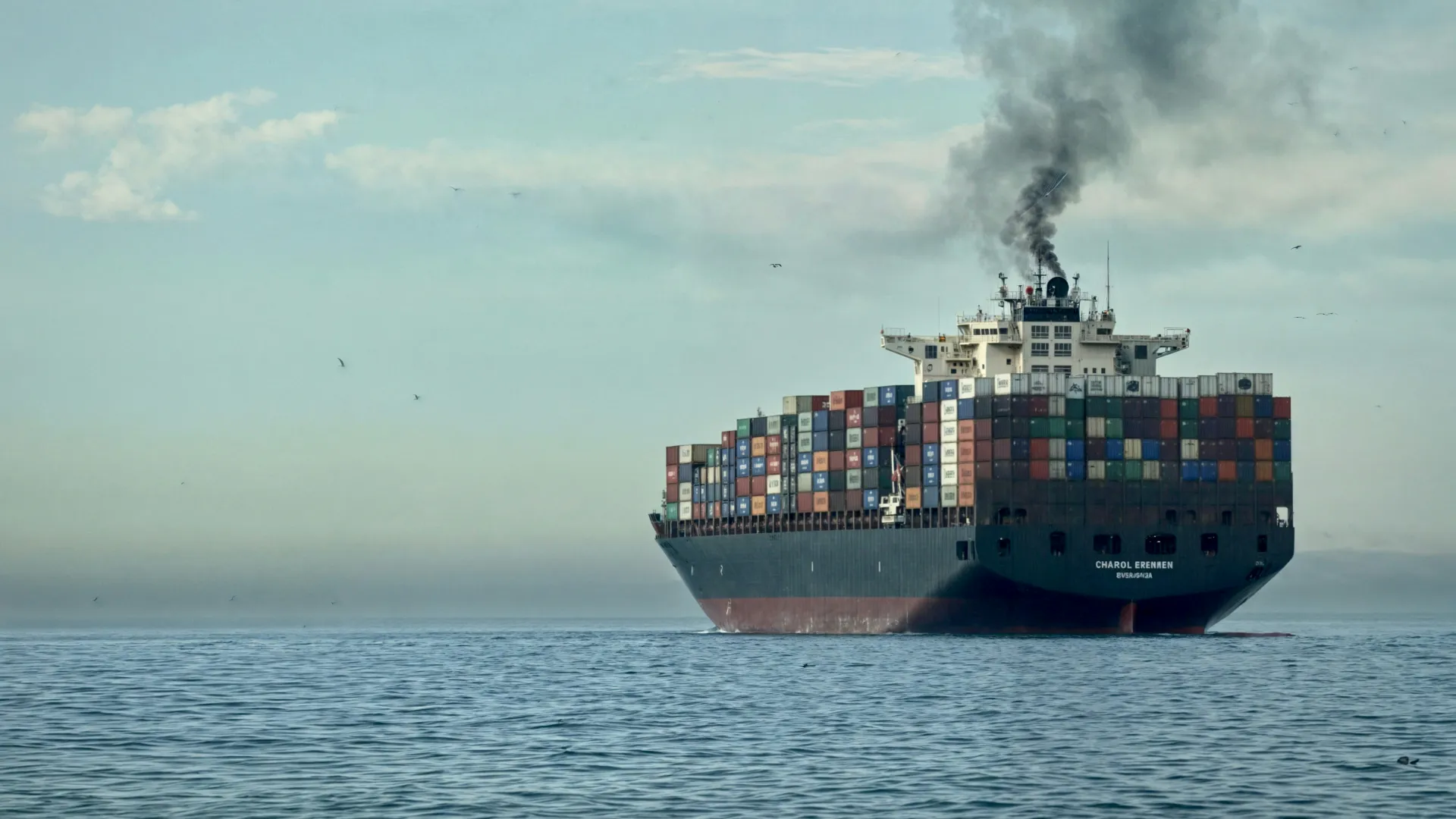
The Carbon Border Adjustment Mechanism is the EU’s tool to prevent what trade experts call “carbon leakage.” The concern is straightforward: if EU producers pay a carbon price under the EU Emissions Trading System (ETS), but foreign competitors do not, the EU manufacturers are at a disadvantage. Goods produced with cheap, high-carbon methods abroad can undercut cleaner European production.
CBAM solves this by putting a carbon price on certain imports. When a covered good enters the EU, the EU importer must purchase CBAM certificates equal to the embedded emissions in that product. The certificate price tracks the EU ETS carbon price, which stood at approximately €75.36 per tonne of CO2 in Q1 2026.
Which Sectors Does the Carbon Border Tax Cover?
CBAM currently applies to six product categories:
| Sector | CBAM Status (2026) | Key Watch Point |
|---|---|---|
| Cement | In scope | Direct emissions from kilns |
| Iron & Steel | In scope | Blast furnace vs. electric arc data |
| Aluminium | In scope | Precursor emissions included |
| Fertilisers | In scope | Nitrous oxide emissions |
| Electricity | In scope | Generation source matters |
| Hydrogen | In scope | Green vs. grey distinction |
| Downstream goods (e.g. some steel products) | Expanding from 2028 | Scope review ongoing |
In our experience, the steel and aluminium sectors are seeing the most urgency right now, because EU buyers in those supply chains are already asking non-EU suppliers to provide verified emissions documentation ahead of the September 2027 deadline.
How CBAM Works for Non-EU Exporters
Here is something exporters frequently misunderstand: the direct legal obligation under CBAM sits with the EU importer, not you as the non-EU exporter. Your EU buyer must register as an Authorised CBAM Declarant (if they import more than 50 tonnes of CBAM goods per year), purchase certificates, and file annual declarations.
However, the compliance burden flows back to you commercially. Here is why:
- If you cannot provide verified emissions data, your EU buyer is forced to use the EU’s default emission values, which carry a penalty mark-up of around 10% in 2026, rising to 30% from 2028.
- That extra cost falls on your buyer. They will either demand a lower price from you, or find a supplier who can provide verified data.
- Exporters who can show lower verified emissions give their EU customers a cost advantage, making them a more attractive trading partner.
A common trap we see: exporters assume CBAM “does not apply to them” because the legal text places obligations on the importer. They do nothing, and six months later, a long-standing EU buyer stops ordering. The reason? A competitor from a country with a carbon pricing system was able to reduce the buyer’s CBAM certificate cost, and the buyer made the switch. Understanding Incoterms and who bears costs in your trade contracts is more important than ever in this context.
Carbon Border Tax: Your Step-by-Step Action Plan
Here is the practical sequence we recommend for SME exporters shipping to the EU.
Step 1: Check If Your Product Is In Scope
Start by reviewing your export product’s HS code against the CBAM-covered goods list. If your product falls under cement, steel, aluminium, fertilisers, electricity, or hydrogen categories, you are affected. If you are unsure, check with your freight forwarder or use the EU’s TARIC database. You can also read our guide on how to look up HS codes correctly to make sure you have the right classification.
Step 2: Calculate Your Embedded Emissions
You need to know the carbon footprint embedded in your production process. This means tracking direct and indirect greenhouse gas emissions from raw materials through to the finished product. Our guide on how to calculate your export carbon footprint walks through this in detail. The EU will accept actual verified emissions or EU-prescribed default values, but actual data is always better for cost outcomes.
Step 3: Engage an Accredited Verifier
For actual emissions data to count under CBAM, it must be verified by an accredited third-party body. In our experience, finding and contracting an accredited verifier early is critical, because demand for verification services is rising and timelines are growing. Look for verifiers accredited under national accreditation frameworks recognised by the EU.
Step 4: Communicate Proactively With Your EU Buyers
Contact your EU customers now and ask what data they need from you for their CBAM reporting. Different buyers may need quarterly data, annual data, or specific forms. Building this communication process early prevents surprises. If you are new to working with EU buyers, review our guide on how to verify and build trust with international buyers.
Step 5: Review Your Export Pricing Strategy
If your production process is carbon-intensive and you cannot reduce it quickly, factor the buyer’s likely CBAM certificate cost into your negotiations. Some exporters are absorbing a portion of this cost to retain contracts. Others are investing in cleaner production to reduce embedded emissions and make themselves more competitive. Either way, ignoring it is not an option. Read more about setting a smart export pricing strategy that accounts for regulatory costs.
Key CBAM Dates Exporters Must Know
| Date | What Happens | Your Action |
|---|---|---|
| 1 Jan 2026 | CBAM definitive phase begins | Ensure data collection is active |
| 31 Mar 2026 | EU importer declarant application deadline | Confirm your buyers are registered |
| 1 Feb 2027 | CBAM certificate sales open on EU central platform | Have verified emissions data ready |
| 30 Sep 2027 | First annual CBAM declaration and certificate surrender | Provide buyers with all 2026 emissions records |
| 31 May (annually) | Ongoing annual declaration deadline from 2027+ | Maintain continuous data pipeline |
Common Pitfalls & Expert Tips
Pitfall 1: Assuming CBAM Only Affects Direct Exporters of Steel or Cement
Many trade managers assume CBAM only hits large industrial exporters. In fact, if your product contains steel or aluminium components, downstream scope expansion from 2028 may pull you in. The time to assess your supply chain is now, not in 2027.
Pitfall 2: Relying on Default Values Without Checking the Cost
Default emission values set by the EU are deliberately conservative, meaning high. They are calculated at the highest emission intensity observed among reporting countries. In our experience, most exporters who invest in actual verified data end up with lower embedded emission figures than the defaults, which translates directly into lower certificate costs for their buyers.
Pitfall 3: Waiting for Your Buyer to Ask
A common trap we see is exporters waiting for EU buyers to request emissions data before acting. By the time the buyer asks, they may already be in conversations with alternative suppliers. Reaching out proactively signals professionalism and builds trust faster than any sales pitch.
Expert Tip: Treat CBAM Compliance as a Sales Tool
Exporters who can show low verified emissions have something to sell. Buyers paying €75 per tonne of CO2 on certificates will actively prefer suppliers whose products carry fewer embedded emissions. Your verified carbon data is a competitive differentiator, not just a compliance checkbox. Pair this with a solid green logistics strategy and you become a supplier that forward-thinking European buyers want to lock in for the long term.
It is also worth noting that CBAM connects to a broader shift in global trade toward sustainability transparency. Exporters already tracking and improving their carbon footprint will find it easier to comply with future regulations, whether in the EU, UK, or other markets moving toward their own carbon border measures.
Looking for Export-Ready Products?
While CBAM focuses on carbon-intensive industrial sectors, buyers around the world are also shifting toward sustainable, handcrafted goods with lower embedded emissions and high provenance value. TheExporter.co offers a curated range of high-quality, handmade Indonesian goods, including authentic furniture, ready to be exported directly to international buyers. If you are sourcing distinctive products that stand out in European and global markets, explore our catalogue below.